Saline guides · Part 1 of 2
What saline does in a nebulizer
How inhalation saline fits into respiratory therapy and how to check the prescribed solution, concentration and device directions.
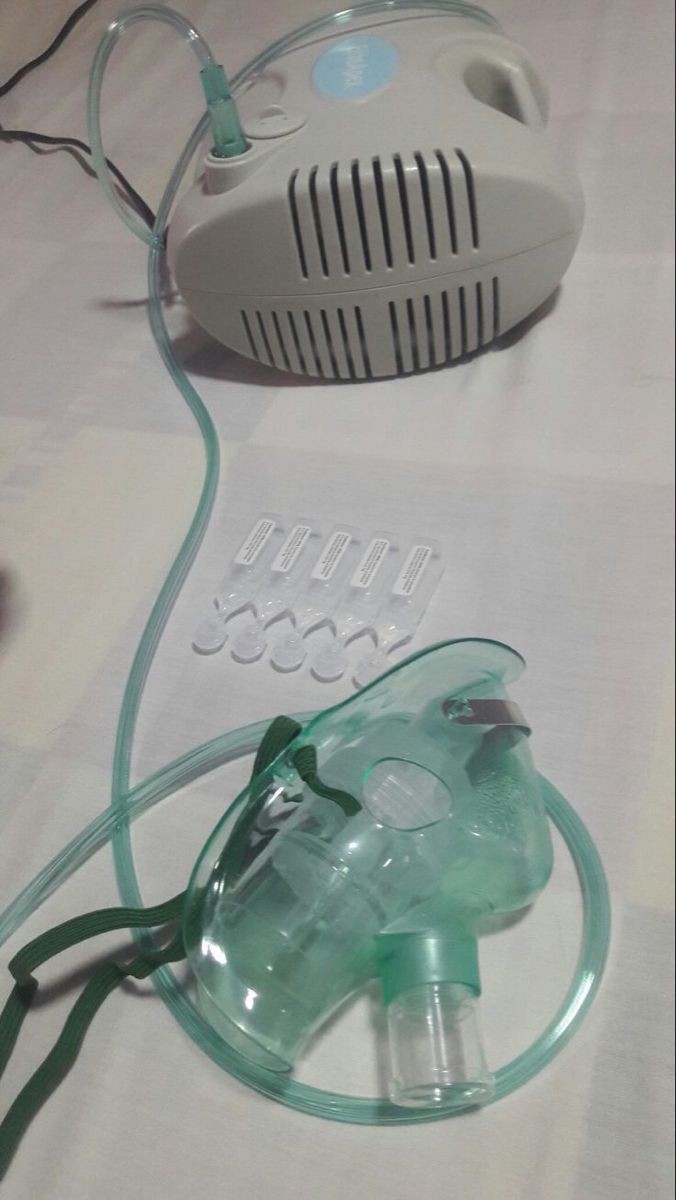
How to read an inhalation solution label
A nebulizer turns a liquid into a mist that a person breathes in. What goes into the cup depends on the treatment plan, the device and the solution label. Some sterile sodium chloride solutions are specifically labeled for respiratory therapy. An inhalation solution's directions explain how it is supplied and how to handle it when it is part of a prescribed plan.
Start with the intended route
Look for wording such as sodium chloride inhalation solution or use in respiratory therapy. A DailyMed label for one 0.9% inhalation product lists sterile single-use vials and directs patients to discard any remaining solution after use. The same percentage can appear on a nasal or wound product with entirely different directions. Use the product specified by your healthcare professional.
The public directions for Steralis Labs' 0.9% ampoules describe topical uses and do not list nebulizer use. This guide uses a separate respiratory product label as an example of how to check the route. If a pharmacy offers you a different brand or size, ask the pharmacist to confirm the exact product and directions before using it.
Check the volume after the route
The percentage describes the solution's concentration. The volume on the vial is the amount the container holds. The amount prescribed is a separate instruction. Bring both the package and your treatment directions to the pharmacist if they seem inconsistent. The next page covers what to check if your routine or device changes.
Sources and instructions
- DailyMed example of 0.9% saline labeled for inhalation
- MedlinePlus nebulizer device guidance
- Steralis Labs 0.9% instructions
AI-assisted editorial article published by Steralis Labs, which sells saline products.